Uncategorized

2026 Wedding Trends

What are your favorite websites?

7 Wedding Trends for 2026 According to a Scottish Wedding Celebrant!

If youโ€™re planning a 2026 wedding in Scotland, prepare yourself โ€” the trends are bold, meaningful, and gloriously Scottish. As a celebrant, I get a front-row seat to it all, and Iโ€™m happy to report that 2026 is shaping up beautifully.

Here are the seven biggest trends Iโ€™m already seeing for next year.

1. Personal Vows Are Getting Properly Personal

Couples are ditching the generic lines and writing vows that sound like them โ€” heartfelt, honest, and sometimes unintentionally hilarious.
Think: promises to always make the tea, or to stop stealing the duvet.
2026 couples want sincerity, not scripts โ€” and it makes ceremonies unforgettable.

2. Micro Weddings With Mega Atmosphere

Small weddings arenโ€™t going anywhere.
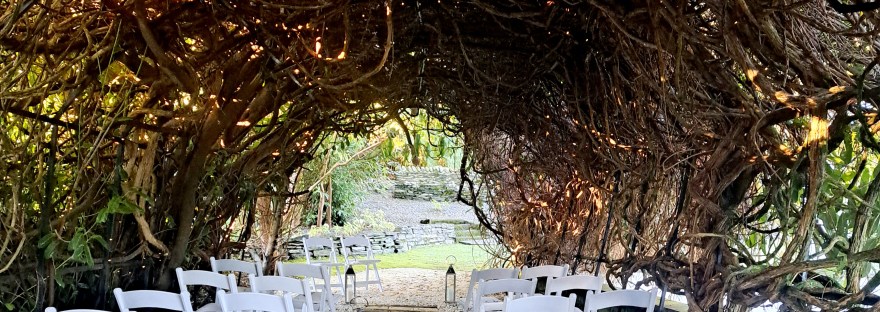
In fact, 2026 will see more couples choosing intimate gatherings in their favourite corners of Scotland โ€” forests, lochsides, hilltops, and maybe even Grannyโ€™s garden if the midges behave.
Fewer guests = more connection, more personality, and more time to enjoy the day rather than sprint through it.

3. Celebrant-Led Ceremonies Front and Centre

Good news for me (MM The Celebrant): couples want ceremonies that feel personal, inclusive, and original.
Celebrant-led weddings give you the freedom to:

  • Marry anywhere with landowner permission
  • Include personal stories
  • Blend traditions or create brand-new ones

2026 is all about meaningful moments rather than โ€œinsert-name-hereโ€ ceremonies.

4. โ€œAnti-Stressโ€ Wedding Planning

This might be my favourite trend.
Couples are simplifying โ€” fewer complicated timelines, more relaxed structures.
Think: flexible ceremony start times, less rigid formalities, and focusing on what actually matters: the two of you promising a lifetime together.
(Your aunt will recover if the seating plan isnโ€™t perfectly symmetrical.)

5. Bold Scottish Elements

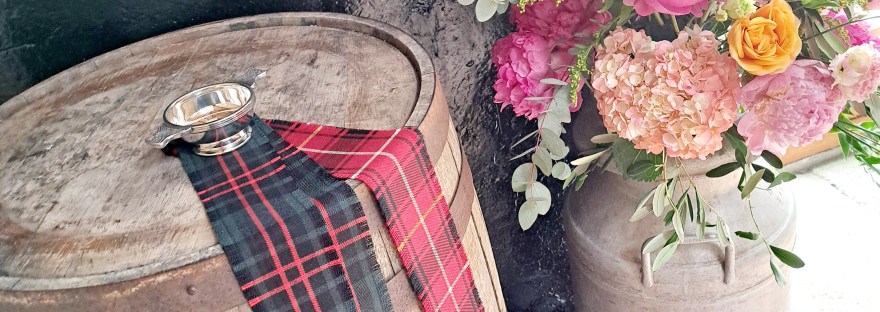
Tartan will always be timeless โ€” but in 2026 itโ€™s getting creative.

Expect to see:

  • Mixed-pattern tartans
  • Tartan ribbon bouquets
  • Modern tartan suits (even pink and sage versions!)
  • Celtic readings and Scottish folklore woven into the ceremony

Itโ€™s Scottish tradition, justโ€ฆ with extra flair.

6. Sustainable Everything

2026 couples care deeply about the planet โ€” and itโ€™s showing.

Eco-friendly choices include:

  • Wildflower confetti
  • Locally sourced florals
  • Reusable dรฉcor
  • Pre-loved or re-designed wedding outfits

And of course, outdoor ceremonies in Scotland means the scenery does most of the decorating for free.

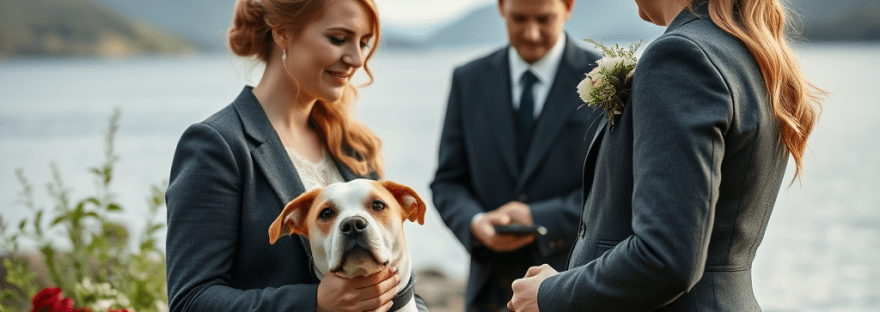
7. Dogs, Dogs, and More Dogs

Scotland has officially embraced the โ€œdog of honour.โ€
In 2026, weโ€™ll see more pups trotting down aisles with bow ties, flower collars, or incredibly serious expressions as they guard the rings.
And yes โ€” I wholeheartedly support all canine involvement.
(Mud and slobber are temporary. Wedding memories are forever.)


Final Thoughts

2026 weddings in Scotland will be personal, relaxed, meaningful, and full of character โ€” much like the couples themselves. Whether youโ€™re planning a tiny ceremony on a clifftop or a big celebration in a barn, the trends all point to one thing:

Do it your way โ€” and enjoy every moment of it.

Wedding Ideas!

Uncategorized

Tying the Knot?

Legal or not?

In Scotland, tying the knot, or getting married, is a legal process governed by specific regulations.

The differences between a non-legal and legal wedding are very specific and the ceremony needs to reflect this. As a celebrant I cannot stand in front of guest and an any way ‘pretend’ a wedding is legal if it is not.

To make it legal I need to have the schedule issued by the Registrar of Scotland and the date and venue must be correct. If there are any discrepancies I would phone the Registry office of who issued the schedule and they would decide if the wedding would, or should not go ahead.

These are not decisions we can make because that is Scots law!

Hereโ€™s a summary of the key points regarding marriage in Scotland:

Legal Weddings:

  1. Age: Both parties must be at least 16 years old.
  2. Capacity: Both parties must have the mental capacity to understand the nature of the marriage.
  3. Notice of Marriage: Notice must be given to the registrar at least 29 days before the intended date of marriage.
  4. Residency: No residency requirement for marriage, but notice must be given to the registrar in the district where the marriage will take place.
  5. Documentation: Both parties must provide documentation including birth certificates, passports, and, if applicable, divorce or death certificates from previous marriages.
  6. Consent: Both parties must freely consent to the marriage.
  7. Prohibited Degrees of Relationship: Parties cannot be closely related by blood or adoption.

Marriage Certificate

A marriage certificate is issued following the ceremony, confirming the legal status of the marriage.

During the ceremony, both parties must declare that they accept each other as legally married in the presence of the celebrant and two witnesses.

If you have any specific questions about the legalities or processes related to marriage in Scotland, feel free to ask!

To find out more about how to become a celebrant click here!

Uncategorized

Scottish Wedding

Hello and let me introduce myself!

I am a Scottish Celebrant based in Glasgow and love meeting people , listening to their stories, writing the ceremony and marrying them!

let me help you write your story!

To get married in Scotland, you typically need to:

  1. Choose a Venue: Select a venue that is approved for marriages, which can include hotels, castles, or even outdoors.
  2. Submit Notice of Marriage: File a notice of marriage at the local registrar’s office. This is a legal requirement and should be done at least 29 days before the wedding.
  3. Provide Necessary Documents: Bring required documents, such as passports, birth certificates, and proof of address, to the registrar.
  4. Witnesses: Have two witnesses present at the ceremony, and they must be at least 16 years old.
  5. Officiant: You can choose a religious or civil ceremony, and an authorized celebrant or registrar will conduct it.
  6. Legal Requirements: Ensure you meet legal requirements, like being at least 16 years old, not being closely related, and not already being married.
  7. Marriage Schedule: Obtain a marriage schedule from the registrar no earlier than 7 days before the wedding. It must be returned after the ceremony for the marriage to be officially recorded.

Always check with the local registrar for the most accurate and up-to-date information.

Anything else you need?

Ask me in the comments or contact me directly!

For samples of my writing CLICK

Celebrations, Civil Celebrant, Civil Celebrant

Is Civil Celebrancy a Career?

What is your understanding of what ta Civil Celebrant does!

The two periods of major social change in the UK which led to the development of Celebrancy as a profession areMany and varied!

Continue reading “Is Civil Celebrancy a Career?”